Slower than planned
Last night I ran Midnattsloppet. Ten kilometres through Södermalm, in August, surrounded by thousands of people who all seemed to have prepared better than I had. I had not run more than six kilometres in a year. I had not trained. I went in with a plan, and the plan was to go slow.
I went slower than the plan.
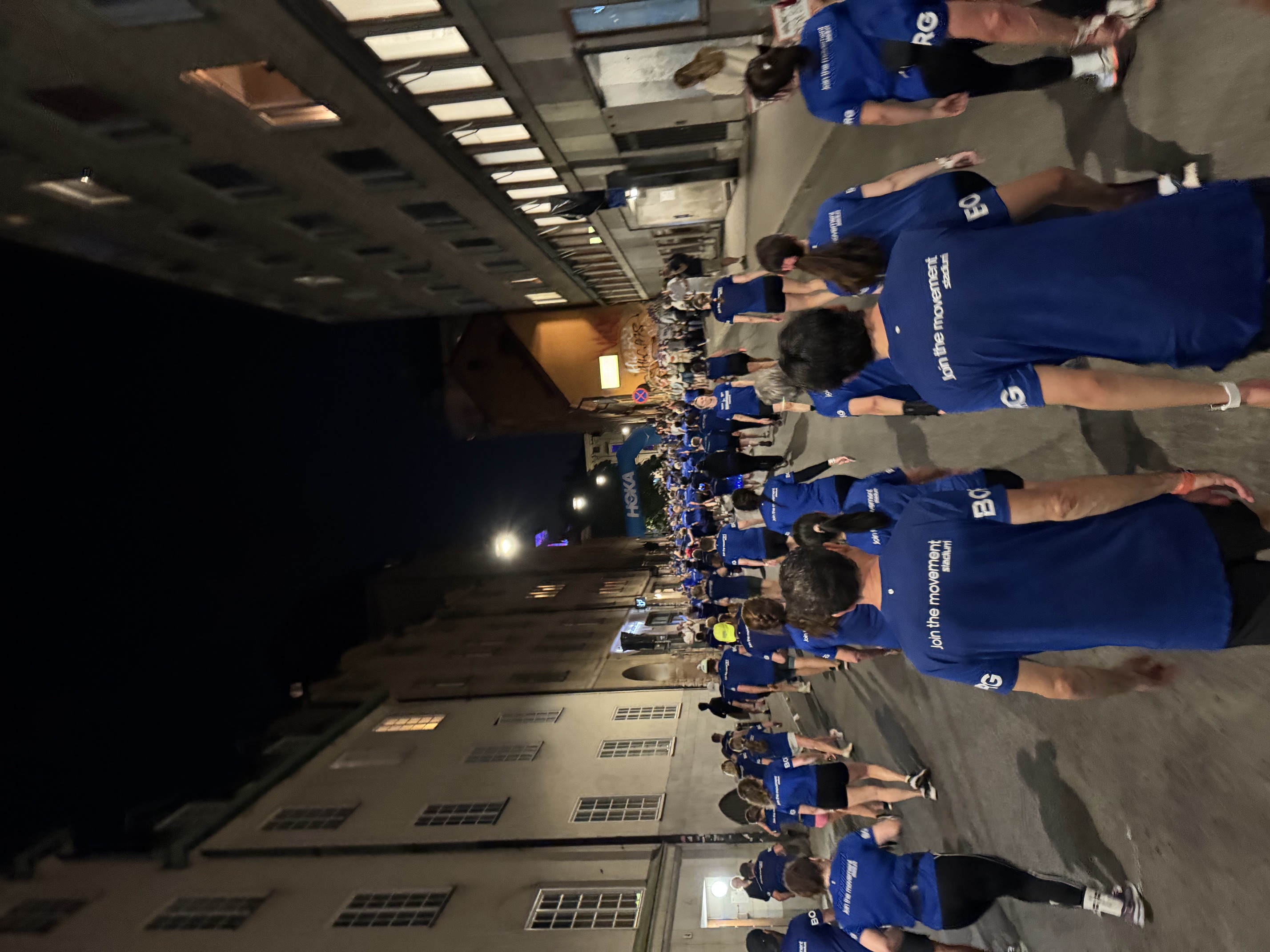
Somewhere around halfway I stopped negotiating with the pace and started negotiating with the idea of finishing at all. The legs and the lungs took turns being the problem until the last kilometre, when they agreed to cooperate just long enough to get it over with.
So was that a success? I have been turning it over all morning.
The generous reading is yes. I signed up untrained, I got around, I did not injure myself, and I adjusted to what the body was telling me instead of chasing a number that belonged to a fitter version of me. I listened. That is supposed to be the mature answer.
The less generous reading is that I was slower than a plan I had already made deliberately modest, and that calling it listening is a way of not calling it what it was.
That second thought is the one worth sitting with, because I recognise the shape of it from work.
We do exactly this after incidents. Something takes longer than it should have, and by the time we write it up, the delay has become a decision. We paused to gather more context. We took a risk-based approach. We prioritised stability over speed. Sometimes every one of those sentences is true. Sometimes they are true in the way "I listened to my body" is true, which is to say accurate about what happened and quietly misleading about why. The honest version is usually simpler and less flattering. We were slow because we had not done this before, and we had not done this before because we never made time to practise.
An untrained ten kilometres is a fairly good model of an untested incident response plan. You will probably finish. Most organisations do. The systems come back, the accounts get reset, the report gets written. What the event actually measures is not whether you can finish but how much of the finishing was improvised. Every step that felt heavier than it should have was a step with a rehearsal missing behind it. A tabletop exercise can test the plan. It does not prove the capability. Reading the map and talking through the route is not the same as running ten kilometres, and the reason a rehearsal feels pointless when nothing is on fire is the same reason a Tuesday evening six kilometres in March feels pointless in March.
The listening part translates too. The body sends signals long before the race. Mine had been sending them for a year, and I ignored all of them right up until the moment ignoring them became expensive rather than merely convenient. Organisations have the same telemetry. The analyst who mentions that the alerting has become noise. The fourth consecutive on-call week for the same person. The patch backlog everybody knows the length of and nobody says out loud. None of that is hidden. It is just easier to hear during the incident, when it sounds like an explanation, than six months earlier, when it sounds like a complaint.
There is one place the comparison breaks, and it is the important one. I chose the race. I picked the distance, the date, and the pace, and I got to decide afterwards what counted as good enough. Nobody chooses the incident. It arrives at its own distance, on its own date, and it sets the success criteria without consulting anyone. Which means the only part that was ever really in our hands is the part that happens on the ordinary evenings when nothing is happening, the part that is easy to skip because skipping it has no visible cost until the one day it has all of the cost at once.
I do not know yet whether last night was a success or a failure. I think that depends entirely on something that has not happened yet. If I run again this week, it was a training run I happened to do in public with a number pinned to my shirt. If I do not, it was just a slow ten kilometres and a good story about listening.
The body kept a record my plan did not. It usually does.